





Hair botox treatment is a professional repairing and smoothing service designed to improve the look and feel of dry, frizzy, dull, weakened, bleached or hard-to-manage hair. Unlike nanoplasty, its main goal is not maximum straightening, but repair, hydration, softness, shine and frizz reduction.
In this guide, you will learn what botox for hair is, when to choose this treatment, how it differs from nanoplasty and keratin straightening, which type of hair botox is best for blonde, curly, dry or heavily damaged hair, and how to care for the hair after the treatment to maintain softness, elasticity, shine and a healthy-looking finish for as long as possible.

Aftercare after nanoplasty has a major impact on how long the hair stays smooth, soft, shiny and frizz-free. The salon treatment is only the first step. If the client later uses a random shampoo, cleanses the hair too aggressively or skips a mask suitable for smoothing treatments, the effect may fade faster than it should.
In this guide, you will learn which shampoo after nanoplasty is the best choice, which mask supports the smoothing effect, what to avoid after the treatment, how to care for blonde hair after nanoplasty and how to build a simple home routine that helps maintain softness, shine, smoothness and easy combing for as long as possible.

Nanoplasty failed and the hair still looks frizzy, wavy or returned to its natural shape after the first wash? In most cases, the problem is not the name of the treatment itself, but the technique: insufficient cleansing, incorrect application, sections that are too thick, temperature that is too low, straightener movements that are too fast or unsuitable aftercare after the treatment.
This guide explains step by step why hair nanoplasty may not give the expected result, how to recognise the most common technical mistakes and what a hairdresser should check before deciding that “the product does not work”. It is a practical guide for salons and clients who want to understand what really determines the effect of smooth, straight and humidity-resistant hair.

Hair nanoplasty is one of the most popular professional treatments for long-lasting smoothness, frizz control and a visibly more polished hair structure. In this complete guide, you will learn what nanoplasty really is, who it is suitable for, how a correct salon treatment should be performed and why the hairdresser’s technique has such a strong impact on the final result.
If you are choosing between nanoplasty, keratin straightening, protein straightening or hair botox, this article will help you understand the difference. You will discover when nanoplasty is the best choice, which technical mistakes can reduce the result and how to maintain smooth, straight and shiny hair for as long as possible.

Are you struggling to choose the right hair treatment for your client in the salon?
Not sure which product to use, how much product to apply, the ideal flat iron temperature, or how many passes are needed?
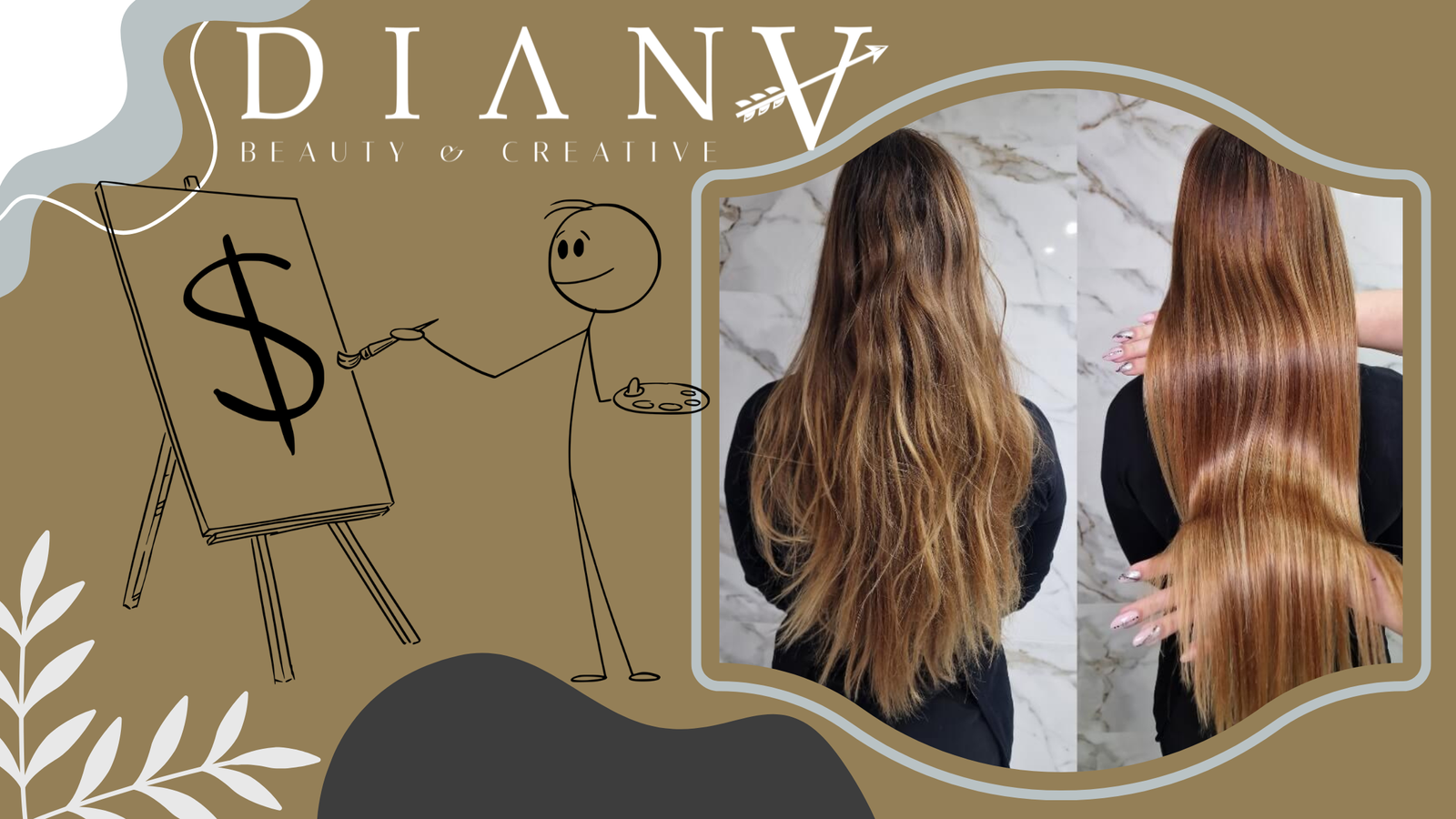
With increasing operational costs, accurately calculating the service price is key to profitability in your hair salon. Whether you're offering Nanoplastia, keratin straightening, hair botox, or hair coloring, having a precise method helps ensure you're not working for free or below cost.

Nanoplasty, protein treatments, and hair botox are three distinct hair care solutions with unique benefits. Here’s how they differ:

Do you have curly hair that frizzes and dries out? The OMO method is here to save the day! This three-step hair care routine provides your hair with the essential nutrients it needs and delivers stunning results right from the first use.

Flat irons with titanium plates, such as the DIANA model, are renowned for their exceptional durability and resistance to damage.
A hair salon is not only a place for treatments but also a space where clients come to relax and connect. To maintain a pleasant atmosphere and avoid uncomfortable situations, it’s important to steer clear of certain topics. Here are five themes best left untouched: